Food truck and food cart operators in Ohio often deal with a unique blend of risks that traditional restaurants may not encounter in the same way. These can include traffic-related incidents while traveling between locations, equipment breakdowns during service, or customer-related accidents at busy events.
Weather can also play a significant role in Ohio, where sudden storms or seasonal changes may impact event schedules and outdoor vending opportunities. In addition, crowded environments such as fairs, sporting events, or downtown gatherings can increase the likelihood of slips, falls, or property damage claims.
Because mobile food businesses operate in constantly changing environments, many owners look for Food Truck Insurance solutions that may help address these unpredictable exposures.
Why Consider Food Truck Insurance In Ohio?
Food Truck Insurance in Ohio is often considered by mobile food vendors who want to manage financial risks associated with operating a business on wheels. Unlike a fixed-location restaurant, a food truck or cart may face exposure in multiple jurisdictions, parking situations, and public spaces throughout the week.
Insurance tailored to food trucks may help provide a structured way to manage potential costs tied to accidents, liability claims, or damage to business property. While coverage varies widely based on provider and policy design, many Ohio food truck owners appreciate having options that reflect the mobile nature of their work.
At Kirtley Insurance, we often help business owners review how Food Truck Insurance may align with their operations, especially when they participate in festivals, private events, or seasonal vending routes across Ohio.
What Types Of Coverage May Be Included In Food Truck Insurance?
Food Truck Insurance policies can differ, but they often include several types of coverage options that may be relevant to mobile food businesses.
One commonly discussed option is general liability coverage, which may help address third-party claims involving bodily injury or property damage. Another potential component is commercial auto coverage, which may relate to the truck or trailer used to transport equipment and operate the business.
Some policies may also include protection for cooking equipment, generators, or other essential tools used in daily operations. In certain cases, business interruption coverage may be considered, which can help address income loss if operations are temporarily halted due to a covered event.
Because each policy is structured differently, Ohio food truck owners often benefit from reviewing Food Truck Insurance options carefully to understand what may or may not be included.
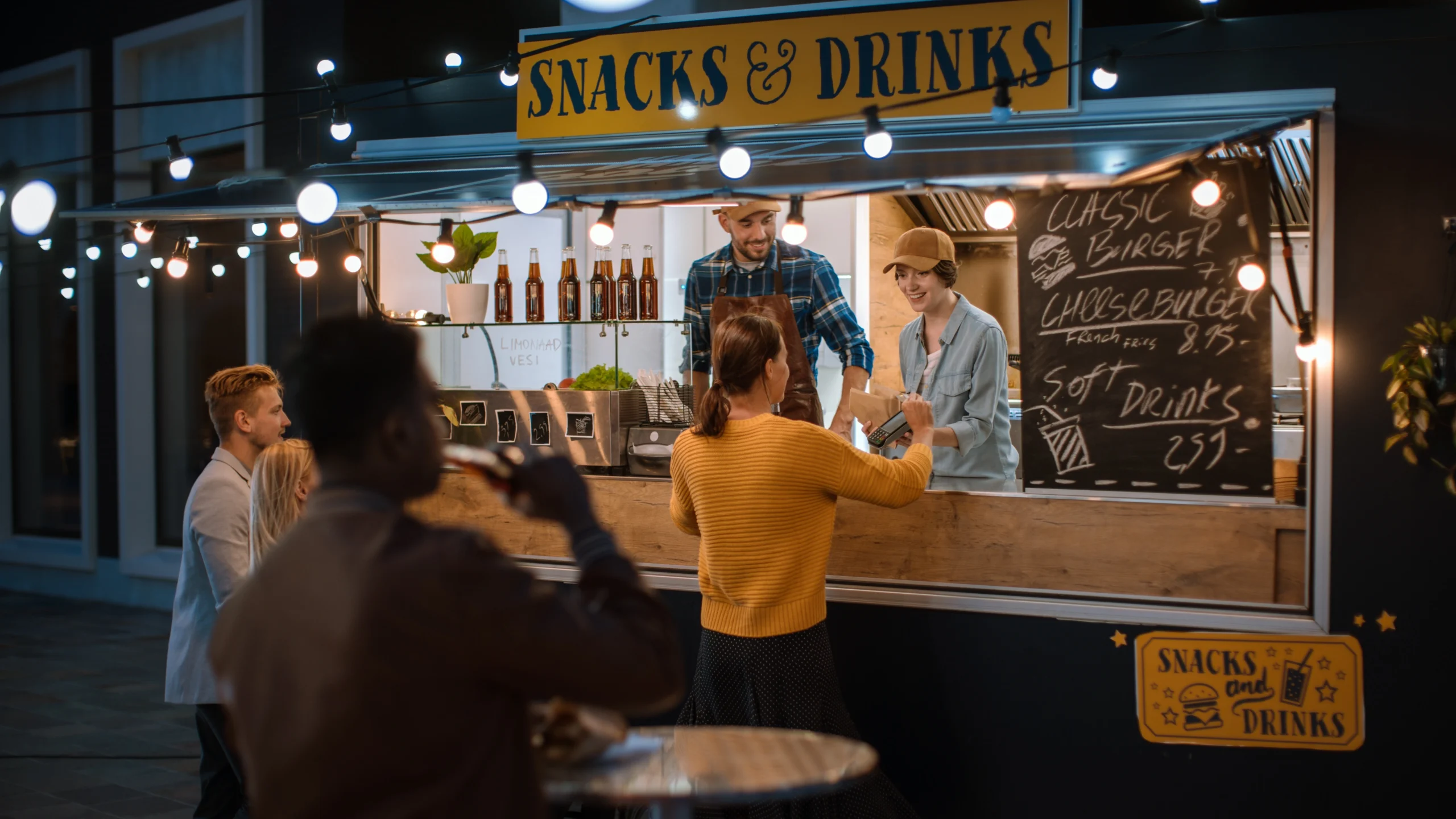
Is Food Cart Insurance Different From Food Truck Insurance?
Food Cart Insurance is often discussed alongside Food Truck Insurance, but there may be differences depending on how the business is structured. Food carts are typically smaller, may not be motorized, and often operate in more fixed or semi-fixed locations compared to fully mobile food trucks.
Because of these differences, coverage needs may vary. For example, a food cart may place more emphasis on general liability and equipment coverage, while a food truck may also consider commercial auto-related protections.
In Ohio, both types of businesses may face similar risks related to customer interaction, weather exposure, and event-based operations. However, insurance solutions are often tailored to reflect the specific setup, mobility, and revenue model of the business.
How Can Liability Coverage Help Mobile Food Businesses In Ohio?
Liability coverage is often one of the most discussed components of Food Truck Insurance in Ohio. Mobile food businesses interact directly with the public, which can create situations where accidents or claims may occur unexpectedly.
For example, a customer could potentially experience a slip near a serving window, or there could be an incident involving hot equipment or food service activity. Liability coverage may help address legal and financial consequences associated with these types of claims, depending on the policy terms.
Many Ohio food truck and food cart owners consider liability protection an important part of their overall risk management approach, especially when operating at high-traffic events or busy urban locations.
What Should You Consider When Choosing Coverage Limits And Options?
Selecting coverage for a mobile food business in Ohio often involves balancing budget considerations with potential risk exposure. Owners may want to consider how frequently they operate, where they typically serve customers, and whether they participate in large-scale events or private catering.
Coverage limits may vary widely, and higher-traffic operations may sometimes explore broader protection options. Equipment value, vehicle usage, and seasonal fluctuations in revenue can also influence insurance decisions.
When evaluating Food Truck Insurance or Food Cart Insurance, it can be helpful to review how different policy options align with both daily operations and less frequent but higher-impact risks. Working with an experienced insurance agency may help clarify which options are commonly considered in similar businesses across Ohio.

Why Work With Kirtley Insurance For Food Truck Insurance In Ohio?
Kirtley Insurance works with Ohio business owners who operate in a variety of industries, including mobile food service. Because Food Truck Insurance and Food Cart Insurance can be highly customized, having guidance during the selection process may help owners better understand available options.
Our approach focuses on learning how your business operates, where you serve customers, and what types of risks you are most concerned about. From there, we can help you review policy structures that may fit your goals and operational needs.
Whether you are just launching a new food truck in Ohio or expanding an established food cart operation, having a conversation about insurance early in the process can help you plan with more confidence as you grow. Contact our team today to start working with our team.