Equipment keeps businesses moving. From manufacturing machinery and commercial refrigeration systems to HVAC units and electrical equipment, many Ohio businesses depend on reliable technology and machinery to serve customers, meet deadlines, and maintain revenue. When a critical piece of equipment suddenly fails, the resulting expenses can extend well beyond the cost of repairs.
Equipment Breakdown Insurance may help businesses manage certain financial losses associated with covered equipment failures. For Ohio business owners, understanding potential breakdown costs and reviewing available insurance options can be an important part of managing operational risks. Kirtley Insurance works with businesses to explore insurance considerations that align with their operations, property, and financial priorities.
What Hidden Costs Can Follow Equipment Failure?
When equipment stops working, the repair bill is only one part of the financial picture. A malfunctioning machine, failed electrical system, or broken refrigeration unit can interrupt normal operations and create expenses that accumulate quickly.
For example, a manufacturer may face production delays while waiting for replacement parts. A restaurant could lose refrigerated inventory if a cooling system fails, while a retail business might need temporary equipment to continue serving customers. Depending on the circumstances, businesses may also experience missed deadlines, additional labor expenses, and dissatisfied customers.
Other costs can include emergency service fees, equipment testing, cleanup, and the transportation of replacement components. If a breakdown affects multiple systems, repairs may take longer than expected.
Ohio businesses can benefit from identifying which equipment is essential to daily operations and estimating the financial impact of losing it. This information can help owners prioritize maintenance, develop contingency plans, and evaluate whether their current insurance arrangements address relevant risks.
Why Is Equipment Breakdown Insurance Important for Business Continuity?
Unexpected equipment failures can disrupt even well-managed businesses. Routine maintenance and equipment inspections may reduce certain risks, but they cannot eliminate every mechanical or electrical problem. A sudden breakdown can leave a company facing an unplanned expense at an inconvenient time.
Equipment Breakdown Insurance may help address certain losses resulting from covered equipment malfunctions, subject to the policy’s terms, conditions, exclusions, and limits. Depending on the policy, eligible equipment may include electrical systems, boilers, pressure vessels, refrigeration equipment, and machinery used in business operations.
This type of insurance differs from coverage that primarily addresses physical damage caused by events such as fire or certain weather-related incidents. Equipment breakdown protection is generally designed for specific types of accidental equipment failure, although the precise causes of loss and applicable exclusions vary by policy.
For Ohio businesses, the value of this coverage depends on the equipment involved, the potential cost of an interruption, and the company’s ability to absorb unexpected expenses. Reviewing these factors with an insurance professional can help business owners make more informed decisions about their risk management strategies.
Which Business Expenses Might Equipment Breakdown Coverage Address?
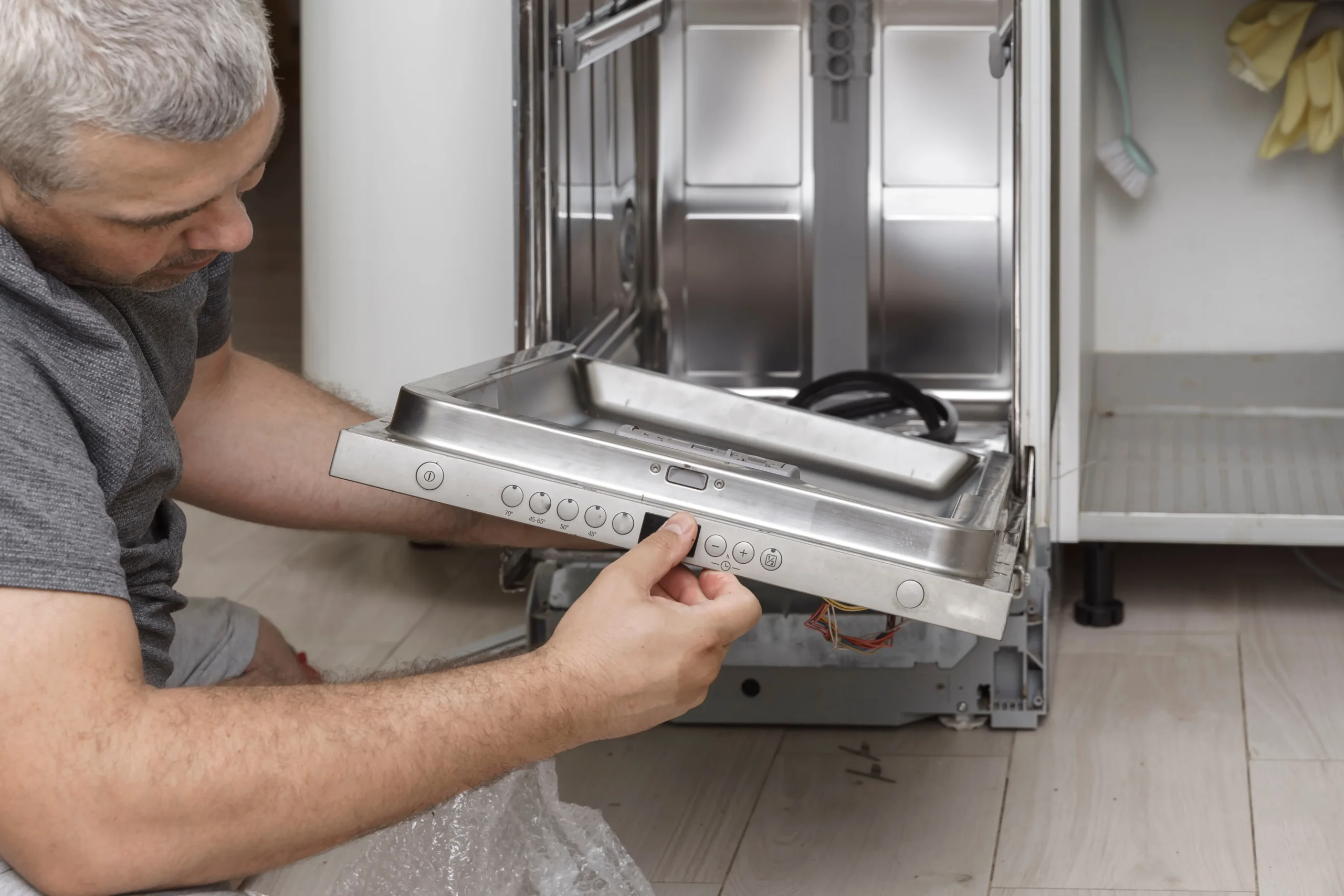
Equipment Breakdown Coverage may be structured to address several types of financial losses associated with a covered breakdown. The protection available depends on the policy selected and the circumstances of the incident.
Potential coverage considerations may include:
- Equipment Repair or Replacement: Certain policies may help pay eligible expenses to repair or replace covered equipment damaged by a covered breakdown.
- Business Income Loss: Depending on the policy, coverage may be available for qualifying income losses when a covered equipment failure interrupts normal operations.
- Extra Expenses: Some policies may help with eligible additional costs incurred to keep a business operating while damaged equipment is repaired.
- Spoilage Losses: Businesses that depend on refrigeration may wish to explore options for losses involving perishable goods following a covered equipment failure.
- Other Related Expenses: Certain policies may offer additional protections or endorsements for specific costs associated with covered incidents.
Not every policy includes all these protections, and sublimits, deductibles, waiting periods, and exclusions may apply. Business owners should review the actual policy wording rather than assume that every equipment problem or resulting expense will qualify for coverage.
How Can Equipment Failure Affect Different Ohio Industries?
The financial consequences of equipment failure vary according to the industry, equipment type, and business model. Identifying industry-specific vulnerabilities can help owners determine where additional planning may be useful.
Manufacturers may rely on production lines, motors, control systems, and specialized machinery. A single failure could slow output, delay customer orders, or require costly technical repairs.
Restaurants, grocery stores, and food distributors often depend on refrigeration and commercial kitchen equipment. A malfunction could threaten perishable inventory and disrupt service during busy periods.
Healthcare facilities and professional offices may use specialized electrical, climate-control, or diagnostic equipment. Depending on the equipment involved, an interruption could require temporary operational changes or rescheduled appointments.
Warehouses, agricultural operations, and commercial buildings may also depend on pumps, ventilation systems, electrical panels, and other essential machinery. When these systems fail, businesses may experience downtime, additional operating expenses, or delays in fulfilling commitments.
Ohio business owners should consider not only the equipment’s replacement value but also how much revenue and productivity depend on its continued operation.
What Factors Should Businesses Review When Choosing Equipment Breakdown Coverage?
Choosing appropriate insurance involves more than estimating the value of machinery. Business owners should consider how equipment failure could affect their operations and whether their existing policies address those exposures.
Important questions to discuss with an insurance professional include:
- Which equipment would be most difficult or expensive to repair or replace?
- How long could the business operate if a critical system failed?
- Could a breakdown result in inventory losses, interrupted revenue, or additional labor costs?
- What deductibles, limits, waiting periods, and exclusions apply?
- Does existing commercial property insurance include any equipment breakdown protection, or would additional coverage be worth considering?
Businesses should also evaluate equipment age, maintenance records, replacement-part availability, and the time required to restore operations. These details can help inform coverage discussions and contingency planning.
Because insurance policies differ, business owners should compare the available terms carefully. The goal is to understand which risks may be addressed, where coverage gaps could remain, and how insurance fits within the company’s broader financial strategy.
How Can Ohio Businesses Reduce Equipment-Related Risks?
Insurance is one component of managing equipment-related risks. Preventive maintenance and operational planning can also help businesses reduce disruptions and prepare for unexpected failures.
Regular inspections may identify wear, overheating, unusual vibration, or other warning signs before they develop into more serious problems. Following manufacturer maintenance recommendations and keeping service records can support equipment reliability.
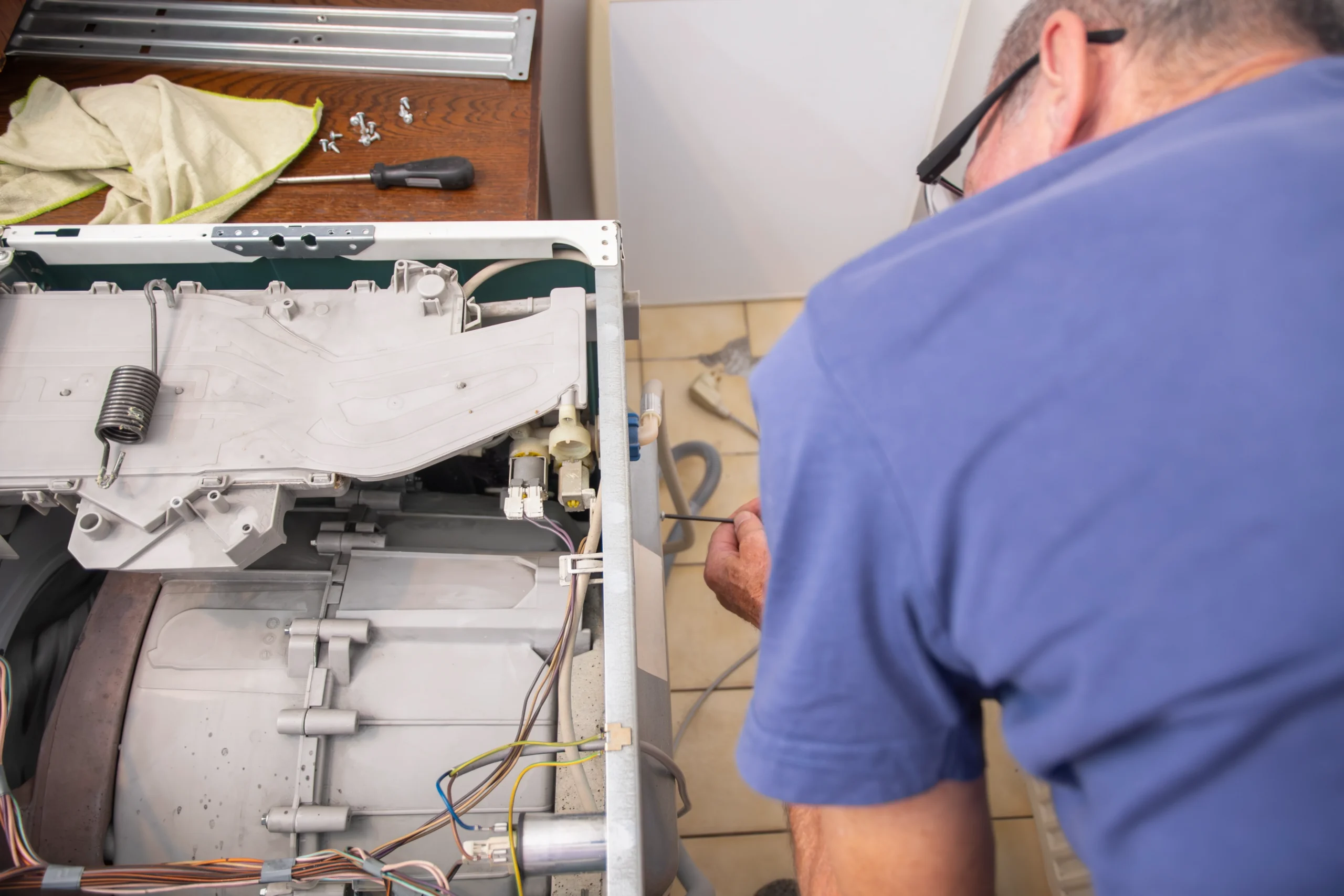
Businesses can also establish procedures for responding to equipment failures. Maintaining relationships with qualified repair technicians, identifying backup suppliers, and documenting emergency contacts may help reduce delays when problems occur.
For operations that rely on critical machinery, contingency plans might include access to temporary equipment, alternative production arrangements, or backup power systems where appropriate. Employees should understand whom to notify and what steps to take when a malfunction occurs.
These measures cannot prevent every breakdown, but they can improve preparedness and help business owners make informed decisions about their insurance needs.
Where Can Ohio Businesses Find Help Reviewing Equipment Breakdown Insurance?
Understanding equipment-related risks is an important step toward maintaining a resilient business. Equipment Breakdown Insurance may provide valuable financial support when a covered mechanical or electrical failure occurs, but the protection available depends on the policy’s specific terms and conditions.
Kirtley Insurance helps businesses explore insurance considerations based on their operations, property, and potential exposures. Whether you operate a manufacturing facility, restaurant, warehouse, or another equipment-dependent business, reviewing your existing policies can help identify questions worth addressing before a breakdown occurs.
Contact Kirtley Insurance to discuss Equipment Breakdown Coverage and explore options that may fit your Ohio business. A proactive review can help you better understand potential financial exposures, evaluate available protection, and plan for unexpected equipment failures.